
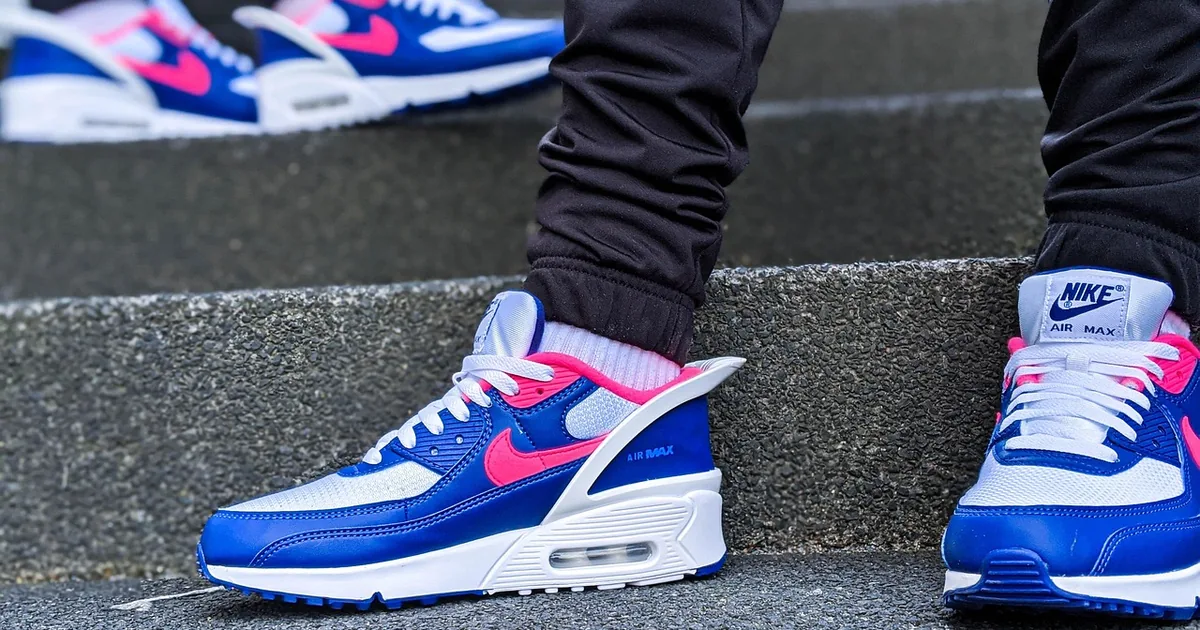
Asics is a running brand first, and its range is organised around a distinction most casual buyers never notice: neutral versus stability. Getting that wrong is the most consequential mistake you can make buying running shoes.
Neutral or stability — this is the decision
When you run, your foot rolls inward slightly on landing. That is normal and it absorbs shock. Some people roll inward more than is useful, which over many miles can contribute to discomfort.
Neutral shoes let the foot move as it wants. Most runners want these.
Stability shoes add structure — firmer foam or a guidance system on the inner side — to moderate that inward roll.
The important correction to a widespread belief: a stability shoe is not automatically "more supportive" in a way that benefits everyone. Putting a neutral runner in a stability shoe can cause problems rather than prevent them. If you do not know which you need, a neutral shoe is the safer default, and a gait assessment at a running shop is worth more than any online guide.
What Gel actually does
Gel is Asics' cushioning insert, placed in the heel and sometimes the forefoot to absorb impact.
It works, and it is genuinely part of why the brand has the reputation it does for comfort on longer runs. What it is not is a magic solution — modern foam midsoles do much of the cushioning work, and Gel supplements them rather than replacing them.
Newer models use less visible Gel and more advanced foam, which sometimes prompts complaints that a shoe has been "downgraded". Usually it has not; the cushioning has just moved from one component to another.
The main lines
Gel-Kayano is the flagship stability shoe — heavily cushioned, structured, built for high mileage.
Gel-Nimbus is the neutral equivalent: the maximum-cushion everyday trainer.
GT-2000 is lighter stability at a lower price, and for many people it is enough.
Gel-Cumulus is the lighter neutral everyday shoe — the sensible first running shoe for most people.
If you are buying your first proper running shoe and do not know your gait, the Cumulus is the least likely to be wrong.
Sizing
Running shoes should be roughly a thumb's width longer than your foot, because your feet swell and slide forward on descents. That means running shoes are usually a half size larger than your normal shoe size.
Try them on in the evening with running socks. Asics generally run true to size in length and slightly narrow in the standard fitting — wide versions are available on many models and are worth using rather than sizing up.
Mileage and replacement
Running shoes last a few hundred miles, with the midsole foam compressing well before the upper or outsole looks worn. Track roughly how far a pair has done rather than judging by appearance.
New shin or knee discomfort with no other change is frequently a sign the shoes are finished.
Trail, GTX, speed and lifestyle Asics
Road trainers are only part of Asics. The trail range, including the Gel-Trabuco and Gel-Venture, adds deeper lugs and a tougher upper for mud, gravel and roots. On pavement those lugs wear quickly and feel clumsy, so a trail Asics shoe is for people who genuinely run off-road.
GTX versions add a Gore-Tex waterproof membrane. They keep puddles and wet grass out, but they run warmer, and once water comes in over the ankle it has nowhere to drain. For winter walking and short wet runs they earn their place; for long summer runs, the standard Asics upper is the better choice.
Faster shoes such as the Novablast and the Metaspeed racing line are lighter and bouncier. They are built for tempo sessions and race days, and lighter foams tend to wear sooner than an everyday trainer. Most runners buy an Asics daily trainer first and add one of these later.
Lifestyle models, including retro runners like the Gel-1130, borrow the look of older Asics running shoes. They are comfortable for walking but use older, firmer cushioning, which is why the answer below says short distances only.
Where the Asics savings are
Asics discounts steadily, with both percentage and flat-amount codes in circulation:
The best value is consistently previous-generation models. Running shoe lines update annually, and the changes between versions are usually incremental — a previous-generation Cumulus or Nimbus at clearance is close to the current shoe at a fraction of the price.
If you find a model that suits you, buying a second pair of the outgoing version when it clears is the single most cost-effective habit in running.
The three Asics codes differ in shape. A 30% code beats $20 off on anything above about $67, so on a full-price Kayano or Nimbus the percentage usually wins; on a heavily reduced pair the flat $20 can be the bigger saving.
Check the terms before applying a code to clearance, because some Asics codes exclude sale lines or specific categories.
Common questions
How do I know if I need stability?
A gait analysis at a specialist running shop, which is usually free. Guessing in either direction is worse than asking.
Is the newest version always better?
No. Updates are incremental and occasionally unpopular. Previous-generation models are often the better buy.
Can I run in Asics lifestyle models?
Short distances, yes. They are not built for the repeated impact of regular training.
Should I buy Asics GTX shoes for running?
For wet winter runs and walking, yes. For long or warm runs, the standard Asics upper breathes better and drains faster.
| Discount | Type | Get the deal |
|---|---|---|
| 20% off | Promo code | View at Asics → |
| $20 off | Promo code | View at Asics → |
| $10 off | Promo code | View at Asics → |
| 30% off | Promo code | View at Asics → |